

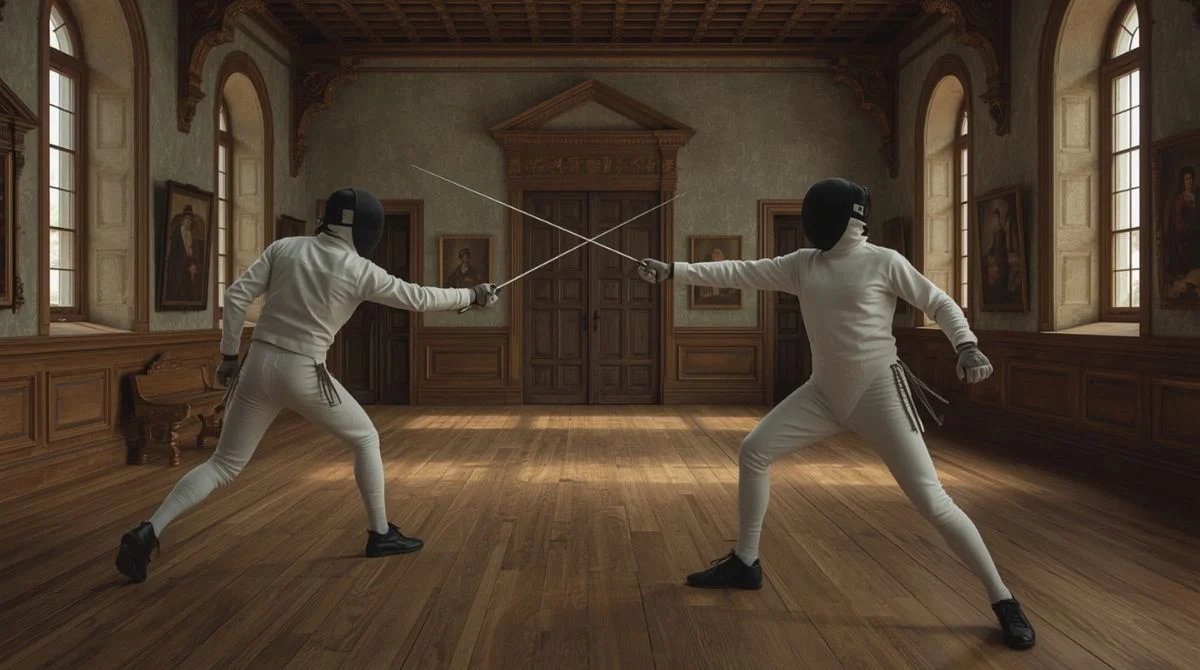
The rapier sword is one of history’s most elegant and precise weapons. Known for its long, slender blade and thrust-focused fighting style, it became popular in Europe during the Renaissance. Unlike heavier swords meant for slashing, the rapier emphasizes speed, agility, and skill. Today, the rapier sword is not only a historical artifact but also a tool for fencing enthusiasts, collectors, and martial arts practitioners.
History of the Rapier Sword
The rapier sword emerged in the 16th century, mainly in Spain and Italy, as a weapon for civilian self-defense and dueling. Unlike military swords, rapiers were designed for civilian use, allowing noblemen to defend themselves in crowded cities.
Key historical points include:
-
Origin: Late 15th to early 16th century
-
Popular regions: Spain, Italy, France
-
Primary use: Civilian dueling and self-defense
-
Design evolution: Initially simple, later ornate with complex hilts
Rapiers were valued for their speed, precision, and ability to exploit openings in an opponent’s defense. This made them highly effective in duels, where skill and technique mattered more than brute force.
Anatomy of the Rapier Sword
Understanding the structure of the rapier sword is crucial for mastering its use. Its design differs from broader swords used in combat.
Key Components:
-
Blade: Long, slender, and tapered for thrusting attacks. Usually 39–45 inches in length.
-
Hilt: The handle of the sword; often features intricate guards for hand protection.
-
Grip: Wrapped for secure handling.
-
Pommel: Counterbalances the blade and helps with control.
-
Guard/Quillons: Protects the hand and can deflect or trap the opponent’s blade.
The combination of a light blade and protective hilt allows for fast, precise movements that are the hallmark of rapier fencing.
Types of Rapier Swords
Different types of rapiers exist depending on their era, region, and purpose:
-
Spanish Rapier (Espada Ropera): Elegant, primarily for civilian use; emphasized thrusting.
-
Italian Rapier: Often heavier with more ornate hilts; popular in fencing schools.
-
French Rapier: Slim and fast, designed for dueling.
-
Basket-Hilt Rapier: Offers maximum hand protection with a fully enclosed guard.
Knowing the type of rapier helps a practitioner select the right sword for training or historical reenactment.
Rapier Sword Techniques
Mastering the rapier sword requires understanding its unique thrust-focused style. Unlike swords designed for slashing, the rapier emphasizes speed, control, and accuracy.
1. Thrusting Techniques
The thrust is the primary attack in rapier fencing. A successful thrust targets an opponent’s vital points with speed and precision.
Tips:
-
Keep your arm straight for maximum reach
-
Move your blade quickly along a direct line
-
Use feints to mislead the opponent
2. Parries and Blocks
Defense is just as important as offense. Parries deflect or block an opponent’s blade.
-
Circular parry: Deflects an incoming attack using a circular motion
-
Inverse parry: Crosses the blade to intercept attacks from above
-
Counter-parry: Combines defense with a counter-attack
3. Footwork
Footwork defines positioning, balance, and reach. Important steps include:
-
Advance: Step forward to close distance
-
Retreat: Step backward to maintain defensive distance
-
Lunge: Powerful forward thrust, extending reach
-
Side step: Evade lateral attacks
Good footwork ensures that your thrusts land while avoiding the opponent’s strikes.
4. Feints and Deceptions
Feints are fake attacks meant to draw an opponent out of position. Techniques:
-
Pretend to thrust high, then attack low
-
Use half-movements to mislead timing
-
Combine feints with footwork to create openings
5. Riposte
A riposte is a quick counter-attack after successfully parrying an opponent’s thrust. Timing is crucial; the faster the riposte, the more likely it lands successfully.
Modern Rapier Sword Training
Even today, fencing enthusiasts and historical martial artists train with rapiers using structured techniques.
Training Tips:
-
Start with a practice blade: Use a blunt training rapier or synthetic sword.
-
Focus on footwork first: Proper movement is essential before mastering attacks.
-
Learn basic thrusts and parries: Master core techniques before advanced moves.
-
Drills with a partner: Simulate duels to improve timing and precision.
-
Gradually increase speed: Accuracy before speed; only increase pace as skills improve.
Regular practice and disciplined training help build muscle memory and confidence with the rapier sword.
Safety Considerations
Training with any weapon requires caution. For rapier sword enthusiasts:
-
Always use protective gear: fencing masks, gloves, and jackets
-
Ensure training blades are blunt and in good condition
-
Practice in safe, open areas
-
Respect your partner and follow training rules
-
Never improvise moves that can cause injury
Safety ensures long-term enjoyment and prevents accidents during practice.
Rapier Sword in Historical and Modern Context
Historically, the rapier sword was more than a weapon; it was a symbol of status, style, and skill. Today:
-
Practitioners preserve historical techniques through HEMA (Historical European Martial Arts)
-
Museums and collectors display ornate rapiers as cultural artifacts
-
Fencing clubs teach rapier-inspired fencing for sport and self-defense
Understanding both historical and modern contexts helps enthusiasts appreciate the rapier sword’s cultural significance.
Rapier Sword Techniques and Applications
| Technique | Description | Application |
|---|---|---|
| Thrust | Direct forward attack targeting vital points | Primary offensive move |
| Parries | Defensive moves to block or deflect attacks | Defense and setup for counter-attacks |
| Riposte | Quick counter-attack after a successful parry | Exploit opponent openings |
| Feints | Fake attacks to mislead opponent | Create openings for real strikes |
| Footwork | Advance, retreat, lunge, side-step | Maintain balance, reach, and evasion |
Tips to Master the Rapier Sword
-
Consistency is key: Practice daily or several times per week
-
Analyze your movements: Record sessions to identify errors
-
Train with different partners: Adapt to varying styles
-
Study historical manuals: Learn from Renaissance fencing treatises
-
Stay patient: Precision and timing take time to perfect
Rapier Sword vs. Other Swords
Unlike broadswords or sabers:
-
Rapiers are thrust-focused, not slashing
-
Lightweight for speed and agility
-
Prioritize precision over power
-
Require advanced footwork for effective defense
Understanding these differences helps beginners choose the right weapon and training style.
Rapier Sword Collecting
Collectors and enthusiasts often value rapiers for:
-
Historical significance
-
Craftsmanship and ornamentation
-
Cultural and artistic value
-
Connection to fencing history
High-quality reproductions or antique rapiers are sought after in museums and private collections.
Rapier Sword Fencing in Sport
Modern fencing sometimes includes rapier-style training:
-
Focus on technique rather than contact
-
Emphasize safety and precision
-
Use role-playing or historical dueling exercises
-
Competitive fencing events may simulate rapier duels with scoring
This allows hobbyists to enjoy the art of the rapier safely and effectively.
Conclusion
The rapier sword is more than a weapon; it is a symbol of skill, precision, and history. Mastering the rapier involves understanding its anatomy, learning proper techniques, practicing diligently, and following safety rules. Whether for historical reenactment, martial arts, fencing, or collecting, the rapier sword offers a fascinating blend of culture, skill, and artistry.